


Blog
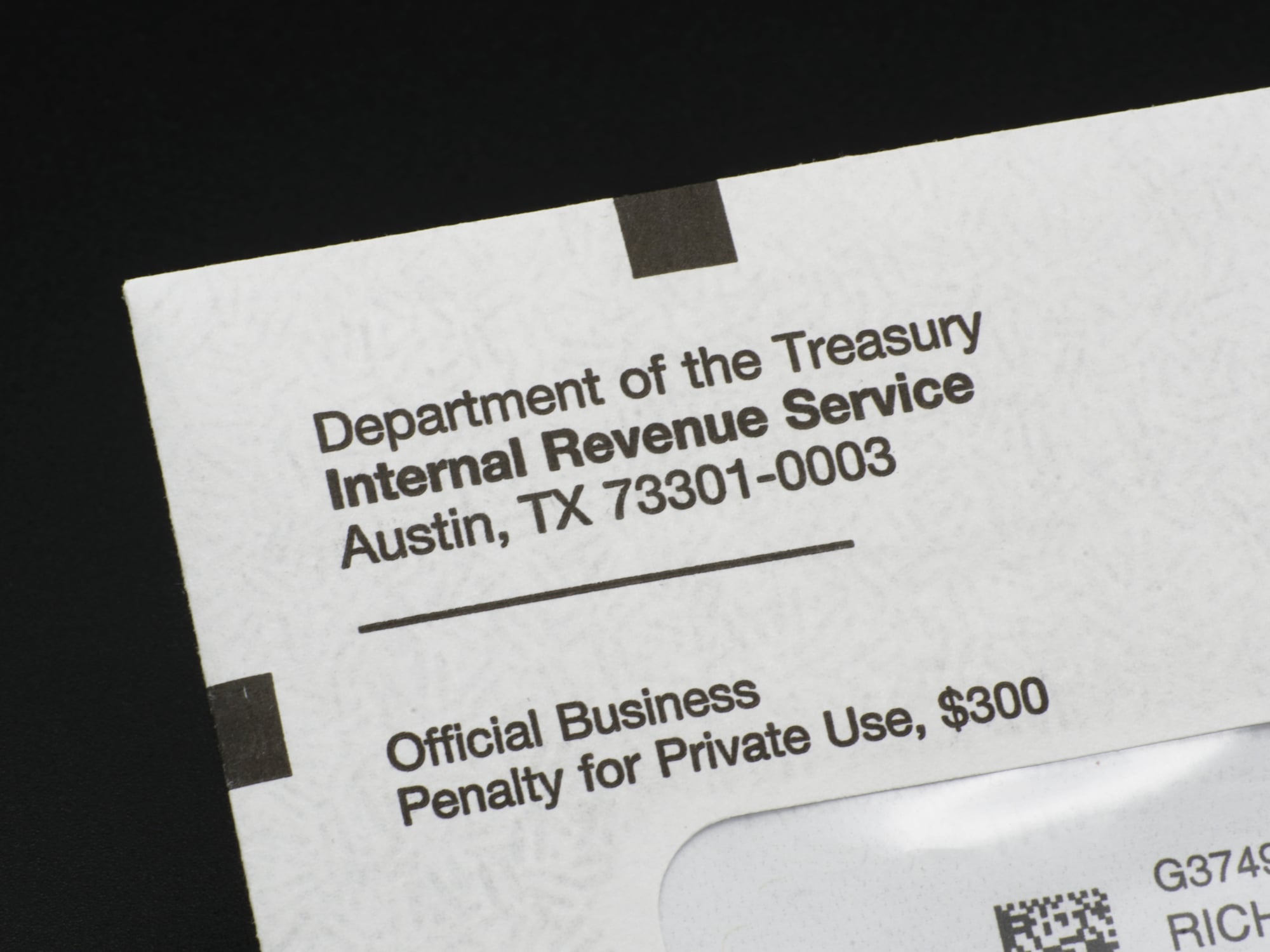
An IRS audit can make anyone feel anxious, even when you believe your tax return is accurate. Many taxpayers picture aggressive interviews or assume they have done something wrong. In reality, an audit is simply the IRS reviewing information to confirm that your return is complete and accurate. The process may feel intimidating, but it does not automatically mean you owe more tax or face penalties.
That said, how you respond in the early stages plays a major role in the outcome. Understanding what happens if the IRS audits you and knowing your rights helps you navigate the process calmly and confidently. With the right support, you can protect yourself, avoid mistakes, and stay in control of the information you provide.
Key Takeaways
- An audit reviews your return for accuracy, and it doesn’t necessarily mean you made a mistake.
- The IRS only begins an audit through a physical letter, never by phone, text, or email.
- You have the right to representation, appeal, and clear communication from the IRS.
- Don’t guess or miss deadlines, as it can harm your case.
- Professional representation protects you by handling communication, organizing documents, and preventing costly errors.
What It Means to Be Audited by the IRS
When the IRS audits you, it means they want to compare your tax return with supporting documents to confirm accuracy. Audits range from simple mail-based reviews to more detailed in-person meetings. Many taxpayers assume an audit automatically means they are suspected of wrongdoing, but that is not true.
Most audits are relatively routine and are the result of information mismatch or random selection. That said, knowing what you’re in for can help take a lot of the anxiety out of the process. You are allowed time to gather documents, ask questions, and seek representation before responding. The goal is verification, not punishment.
How the IRS Notifies You of an Audit
The IRS will always send a physical letter when initiating an audit. They do not contact taxpayers by phone, text, or email to start the process. If you receive one of these unofficial messages, it is a scam.
The official IRS audit letter will explain what tax year is being reviewed, what documents you must provide, and how long you have to respond. Common letters include notices requesting income verification, deductions, or proof of credits.
PRO TIP: If you get one of these letters, it’s important that you don’t ignore it. However, it’s also important that you verify the notice is legitimate before doing anything else.

Why the IRS Selects Certain Taxpayers
The IRS may select a return for many reasons, and none of them automatically mean you made a mistake. Some audits happen through random selection as part of compliance studies. Others result from mismatched information, such as income reported by employers or banks that does not match your return.
Automated systems also flag returns with entries that appear incomplete or unusually high for a specific category. Red flags like large charitable deductions, inconsistent business income, or certain credit claims can also trigger a closer look.
Overall, try to remember that selection is administrative, not accusatory.
Your Rights When Facing an Audit
It’s critical to remember that you have rights when it comes to audits. Knowing those rights can help you protect yourself.
You have the right to professional representation, which means you do not have to speak with the IRS directly. A licensed representative can handle all communication on your behalf.
You have the right to understand why the IRS is questioning your return and what information they are requesting.
You have the right to appeal any IRS decision if you disagree with the findings. The IRS must explain its position clearly and give you time to respond. You should only provide the documents that the IRS specifically requests.
What Not to Do During an IRS Audit
Never ignore an IRS letter. Avoid giving the IRS more information than they ask for, because unrelated details can open the door to additional questions. Do not make statements that guess or assume facts about your finances.
REMEMBER: Anything you say becomes part of the audit record. Never attend an audit meeting without representation, because small errors in communication can be misinterpreted.
How Professional Representation Protects You
A licensed tax professional acts as your buffer during an IRS audit. They speak to the IRS for you, manage the paperwork, and ensure that your rights are respected. They can identify missing or weak documentation and help build a strong case before anything is submitted. They also know how to negotiate and when to challenge an IRS position.
What to Do Right After Getting An Audit Notice
- Read the letter carefully. It should tell you the tax year that’s being questioned, and what the IRS needs from you.
- Note all deadlines, then put the letter in a secure location.
- Gather appropriate records and documents, but don’t send anything yet.
- Contact a qualified tax professional for advice and planning guidance.
Find a Path Forward With Expert Support
An IRS audit does not have to be overwhelming when you understand the process and know your rights. With proper guidance, you can respond confidently and protect your financial future.
The Enrolled Agents at Lothamer Tax Resolution have decades of experience and full credentials to speak to the IRS on your behalf. We’re ready to take the reins so you can avoid missteps, manage communication, and present your information correctly.
The sooner you seek help, the more prepared you will be for every stage of the audit. Call Lothamer TODAY to secure IRS audit help within 24 hours.
Resolve IRS Notices Anywhere in the Midwest with Lothamer
Lothamer Tax Resolution helps individuals and businesses address IRS notices quickly and confidently. Our specialists analyze every detail of your correspondence, explain your options, and help protect your assets.
DON’T FACE THE IRS ALONE. CONTACT LOTHAMER TODAY.
If you have received an audit notice or need help understanding your rights, Lothamer Tax Resolution is ready to assist you. Our team will handle every part of the audit for you, including all communications with the IRS, on your behalf.
📞 (877) 955-9020
📧 [email protected]
🕗 Open 8:00 am – 5:00 pm
¡Llama ahora, hablamos español!
Related Posts


"*" indicates required fields