


Blog
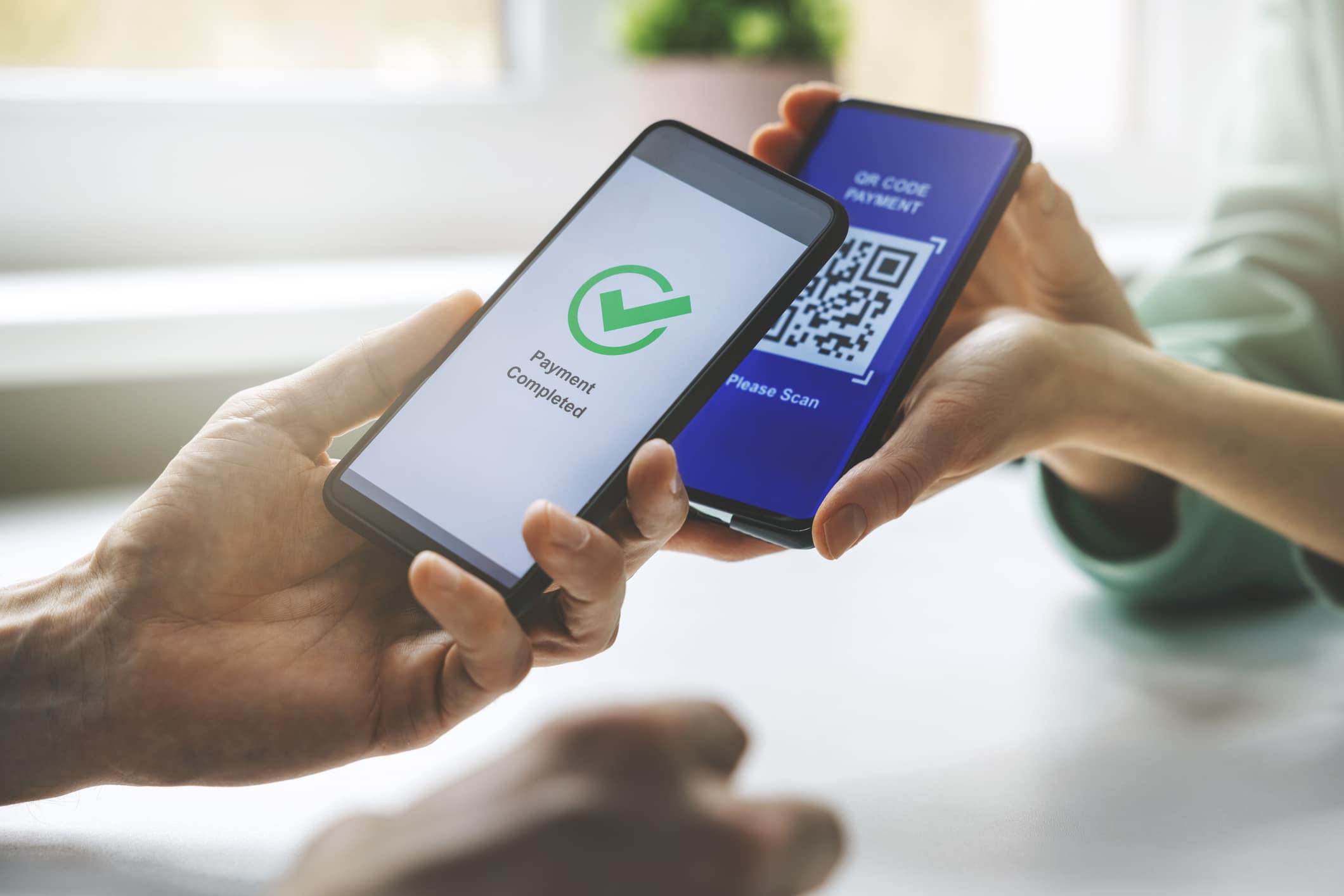
The IRS doesn’t need to audit you to send you a tax bill. It just needs a number from an app like Venmo or PayPal that doesn’t match the number on your return. For freelancers, side-gig workers, sole proprietors, and small business owners who collect payments through apps, that mismatch is happening more often than most people realize.
Payment apps like Venmo, PayPal, Cash App, and Square report business transactions to the IRS via Form 1099-K, but only the gross incoming amounts with no deductions for expenses, refunds, or non-income transfers. If that number doesn’t match your return, the IRS’s automated system will flag it. If you receive a CP2000 notice, you’ll need to respond with clear documentation to resolve the issue before it turns into a tax debt.
Key Takeaways: Payment Apps & IRS Tax Reporting
- Payment apps report gross business transaction volume to the IRS, but they don’t deduct your expenses, refunds, or non-income transfers.
- The current federal threshold for a 1099-K is more than $20,000 in payments across more than 200 transactions per calendar year.
- Tax year 2024 operated under a temporary $5,000 threshold, meaning some filers are still receiving notices related to that year.
- A CP2000 notice is the IRS’s automated way of flagging an income discrepancy. It isn’t a full audit, but it carries a response deadline and can result in additional tax, penalties, and interest if ignored.
- The burden of proof is on the taxpayer. If the IRS says you earned more than you reported, you need documentation to disprove it.
What Are the Current IRS Payment App Tax Changes?
For most people using payment apps like Venmo, PayPal, Cash App, or Square, the current federal reporting threshold is more than $20,000 in gross payments and more than 200 transactions in a calendar year. The One Big Beautiful Bill Act, signed into law on July 4, 2025, retroactively reinstated this after years of uncertainty around a planned phase-in to a $600 threshold.
That said, tax year 2024 operated under a temporary $5,000 threshold with no minimum transaction count, so some taxpayers are still receiving CP2000 notices related to that year’s returns.
Debit and credit card payments have no minimum threshold and are always reportable.
PRO TIP: If you’re based in Illinois, pay close attention. Illinois has its own reporting threshold of $1,000 and four transactions, well below the federal standard. That means Illinois-based business owners can receive a state-level 1099-K at a much lower volume of activity.
Does Venmo Report to the IRS?
Yes, Venmo reports business transactions to the IRS when payments for goods and services exceed $20K/200 transactions for the calendar year. The form reports your gross incoming payment volume. Expenses you paid, refunds you issued, and fees Venmo charged you are not subtracted.
The most common problem comes when people use Venmo for both personal and business payments. Senders have the option to mark any payment as “goods and services,” even when sending to a personal account. According to the IRS Taxpayer Advocate Service, this is one of the most frequent sources of incorrect 1099-Ks.
A friend or family member who accidentally clicks “goods and services” instead of “sending to a friend” creates a reportable transaction that the IRS will see. If your 1099-K includes payments that were personal reimbursements, you’ll need to prove it wasn’t income on your tax return and be prepared to document it.
Does Zelle Report to the IRS?
No. Zelle doesn’t issue Form 1099-K and doesn’t report transactions to the IRS. Because Zelle operates as a direct bank account transfer network rather than a third-party settlement organization, the reporting rules that apply to Venmo and PayPal don’t apply to it.
But “Zelle doesn’t report” doesn’t mean “Zelle income is tax-free.” If you received payments through Zelle for goods sold or services performed, that income is taxable and has to be reported on your tax return regardless.
With Venmo or PayPal, the IRS already knows a number before your return arrives. With Zelle, they don’t, but the legal obligation to report doesn’t change.
Does CashApp Report to the IRS? Does Square Report to the IRS?
Yes to both. Cash App for Business accounts and Square merchant accounts are subject to the same reporting requirements. Square reports total card processing volume, which means refunds, chargebacks, and transactions that weren’t net profit are still included in the gross figure the IRS receives.
Personal Cash App transactions between individuals aren’t subject to 1099-K reporting, provided the payments aren’t tagged as business transactions.
How Does the IRS Find Out About Unreported Income?
The IRS’s primary tool for catching unreported income is the Automated Underreporter (AUR) program. Every year, the agency receives millions of information returns, including W-2s, 1099-NECs, and 1099-Ks, and cross-references them against filed tax returns. When the numbers don’t match, the system flags the account.
No human needs to review your file for a notice to go out. The computer finds a discrepancy, a notice gets generated, and it arrives in your mailbox.
Payment apps have meaningfully expanded the IRS’s visibility into gig and freelance income. A sole proprietor who collected $25,000 via Venmo but only reported $18,000 on Schedule C creates a $7,000 mismatch that the system will catch, whether the $7,000 represents taxable income or not.
What Is a CP2000 Notice?
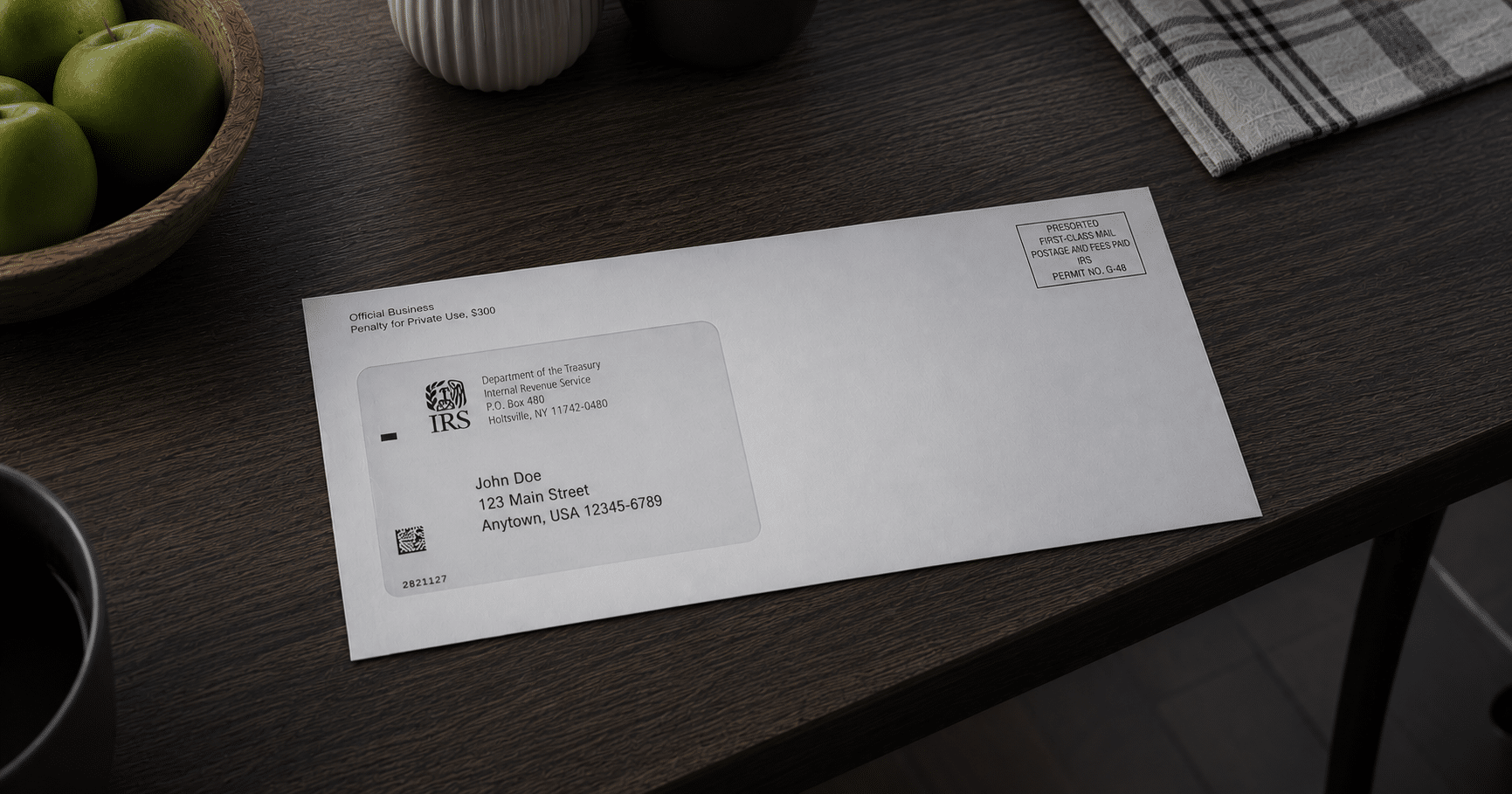
A CP2000 is a notice from the IRS proposing changes to your tax return based on an inconsistency between what you reported and what third parties reported about you. It isn’t a formal audit but a proposed adjustment, and you have the right to agree with it, dispute it, or provide additional information.
What it is not is optional. The notice comes with a response deadline (typically 30 to 60 days from the notice date) and a proposed amount of additional tax owed. Ignoring it doesn’t make it go away, even if you feel you’re in the right. If you don’t respond, the IRS can assess the proposed amount and begin collection actions.
More Tax Questions About Payment Apps, Answered
Yes. The 1099-K threshold determines when a platform is required to report to the IRS, not when income becomes taxable. If you received money through any payment app for goods or services, that income is taxable and has to be reported on your tax return, whether or not you received a Form 1099-K. This applies to Zelle income as well.
Don’t ignore it. If personal payments were incorrectly tagged as “goods and services” by the sender, you’ll need to reconcile that on your return and document the difference. You can request a corrected 1099-K from the platform if the error is clear, but that process can be slow. A licensed tax professional can help you respond to the IRS correctly while protecting you from paying tax on income that wasn’t yours.
Yes, if you don’t respond or if your dispute isn’t resolved in your favor, the IRS can assess the proposed amount and begin collection. The notice is not a bill initially, but it becomes one if ignored or if the IRS finds your supporting documentation insufficient to prove your case. If you owe an amount you can’t pay in full, installment agreement options exist and are worth exploring before the IRS moves to other collection methods.
The Window to Respond Doesn’t Stay Open Long
Payment app reporting hasn’t changed what income is taxable; it’s just changed how much visibility the IRS has into your tax information. If you’ve received a CP2000 and the numbers don’t look right to you, that’s not a reason to panic. But it is a reason to act quickly.
A proposed adjustment turns into a bill when it’s left unanswered, and a bill turns into a collection problem when it’s left unpaid. The IRS’s ability to move fast on these notices has grown significantly as automation has expanded, so take advantage of your window to respond while you can.
DON’T WAIT FOR YOUR TAX PROBLEMS TO CATCH UP WITH YOU. CONTACT LOTHAMER TODAY.
Let the licensed tax professionals at Lothamer Tax Resolution handle your IRS notices and Set You Free from overwhelming tax problems.
📞 (877) 955-9020
📧 [email protected]
🕗 Open 8:00 am – 5:00 pm
¡Llama ahora, hablamos español!
Related Posts

"*" indicates required fields