


Blog

Few things spark anxiety faster than finding an IRS notice in your mailbox. The envelope alone can make your stomach drop, even if the issue ends up being minor. It helps to remember that not every notice signals a serious problem.
Sometimes the IRS only needs clarification, a missing document, or a quick confirmation. Understanding what your notice or letter means and how to respond can save time, stress, and unnecessary penalties.
That’s why we put together this guide. At Lothamer Tax Resolution, we help taxpayers across the Midwest interpret tax correspondence with clarity and confidence. Our professionals know how to identify what the IRS is asking for and guide you toward the right solution.
Key Takeaways
- Not all IRS notices mean trouble—some ask for clarification, others warn of collection action, and each one signals a different stage in the process.
- A CP2000 means your income doesn’t match IRS records; Notice 1462 means the IRS needs documents to finish reviewing your return.
- A Notice of Deficiency is the formal next step if a CP2000 isn’t resolved, and a Final Notice of Intent to Levy can trigger Revenue Officer involvement.
- Responding by the deadline protects your options, and getting professional help early prevents small issues from turning into enforcement.
Why Is the IRS Sending You a Notice?
The IRS sends notices for several reasons, and receiving one doesn’t mean you’re under investigation. Some letters point out missing information. Others show a discrepancy between your return and third-party data. Sometimes the IRS needs documentation to complete your file or verify your identity for a specific tax year.
Each notice explains what the IRS found and what it expects from you. Some require a written response, while others need payment or confirmation. Read the letter carefully and pay close attention to the due date. Responding quickly keeps things manageable and helps prevent added interest or enforcement actions. When in doubt, have a professional review the information with you.
PRO TIP: Always compare your IRS notice to your tax records before responding. This helps you catch data mismatches early and avoid unnecessary back-and-forth.
Common IRS Notices
The IRS sends many types of letters, but these are among the most common—and the ones most taxpayers worry about.
CP2000: Proposed Change Based on Mismatched Income
This notice appears when the income or payment information on your return doesn’t match what the IRS received from employers, banks, or other third parties. It’s generated automatically and includes a proposed tax change based on those mismatched numbers. It isn’t an audit, but it does require you to agree, partially agree, or disagree with the IRS findings.
Think of it as the IRS saying: “The numbers don’t match—please explain.” Review the information closely and respond with supporting documents if needed.
IRS Notice 1462: Request for Documentation or Follow-Up
This letter typically arrives when the IRS needs additional documentation or clarification to finish reviewing a return you’ve already filed. It doesn’t include a proposed tax adjustment.
Instead, it’s the IRS asking for specific paperwork so it can complete processing. It may also serve as a follow-up if an earlier issue hasn’t been resolved. Providing the requested information quickly helps prevent delays or further notices.
IRS Notice of Deficiency
Often called a 90-day letter, this notice states that the IRS believes you owe more than you reported. You have a limited window to reply, appeal, or pay the balance due. If you disagree, you may need to file a petition with the tax court to stop the assessment.
IRS LT36
LT36 often goes to federal employees or retirees because the IRS can collect through federal salary or retirement income if the balance remains unresolved. The notice itself isn’t a new penalty or enforcement action, but it’s a warning that your account is still active in the IRS collection system.
That doesn’t mean you can or should ignore it—it means the IRS is about to take action. Under the Federal Payment Levy Program, they can seize up to 15% of your federal wages, Social Security, or OPM retirement benefits automatically, with no court order required. Responding now helps prevent the case from escalating toward these potentially devastating collection actions.
IRS Final Notice of Intent to Levy (Letter 1058 or LT11)
This is one of the most serious notices. It means the IRS plans to collect unpaid taxes by levying your wages, bank account, or other assets if you don’t act. Responding immediately is essential to protect your property and resolve the tax debt.
At this stage, your case may also be flagged for assignment to a Revenue Officer, especially if the balance is significant or prior notices went unanswered. Responding immediately protects your property and keeps the situation from moving into full enforcement.
REMEMBER: A Final Notice of Intent to Levy carries real consequences. Responding immediately protects wages, accounts, and other assets from levy action.
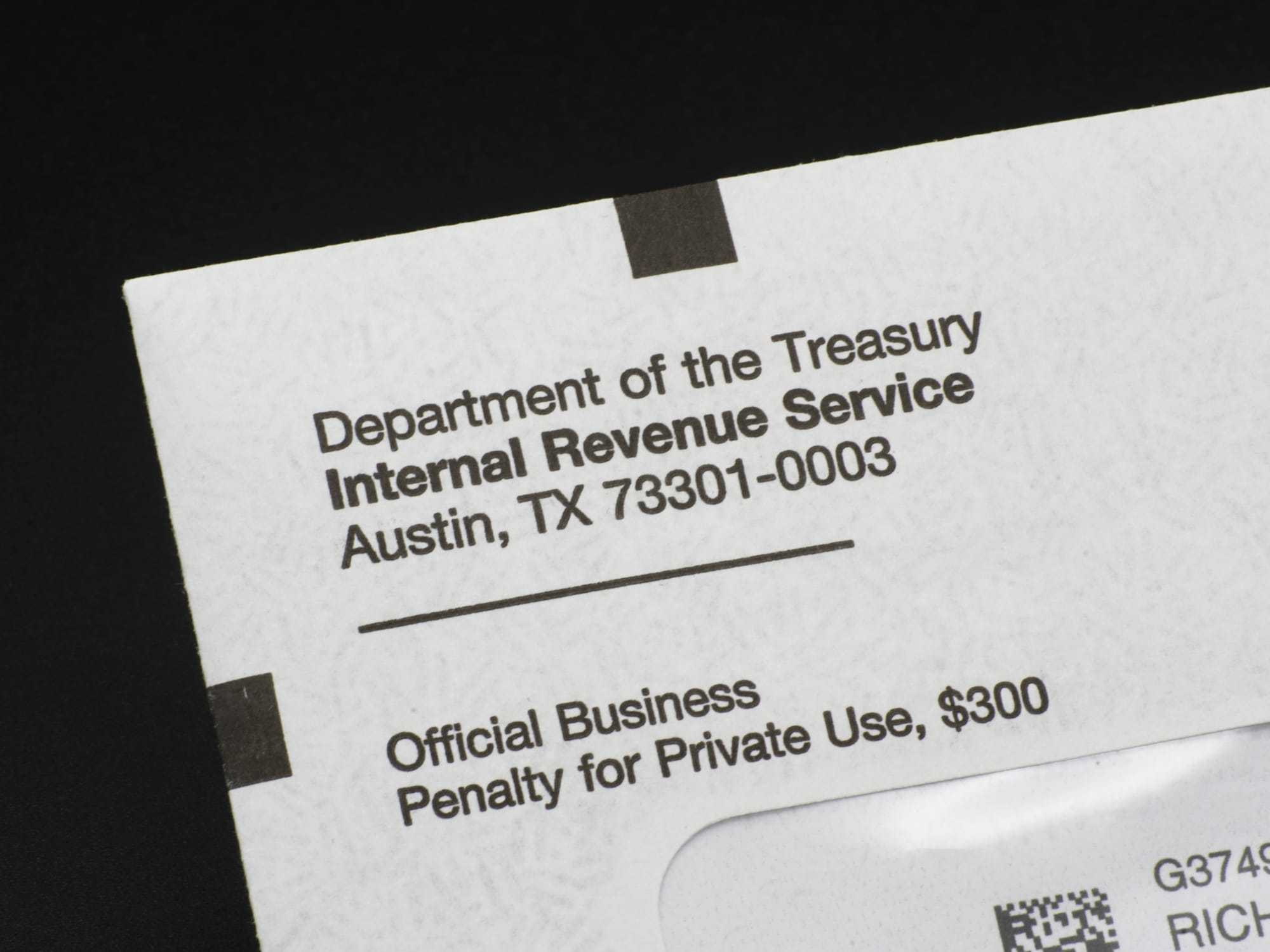
How to Read and Verify an IRS Notice
When you receive a notice, review it from top to bottom. Look for the notice number, the tax year involved, the due date, and any section describing a proposed tax adjustment. These details explain why the IRS contacted you and how much time you have to act. Some notices ask for a copy of the tax return or supporting records so the IRS can verify the information on file.
Before sending any sensitive information, confirm the notice is legitimate. Scammers often copy the IRS format. A real notice includes your name, address, and part of your Social Security number. If something seems off, you can call the IRS using the phone number listed on their official website to confirm the letter’s authenticity.
Responding to IRS Notices the Right Way
When you get an IRS notice, start by reading it slowly from top to bottom. Every letter explains what the IRS found, what it needs from you, and how long you have to respond.
Most notices require one of four things:
- Clarification
- Documents
- Payment
- A correction to your return
If you’re not sure which one applies, compare the notice to your own tax records and look for differences. Either way, taking action often involves completing form 1040-X or another document the IRS requests.
If you agree with the IRS, follow the instructions in the letter and keep proof of anything you send or pay. If you disagree, don’t rush a response. The safest move is to talk to a licensed tax professional before you reply.
That’s because the IRS won’t warn you that a missing document, an incomplete explanation, or the wrong form can turn a simple question into liens, levies, or garnishments. And while you can call the IRS for clarification, wait times can be long, so be prepared.
If you believe the IRS is wrong under tax law, you can request a hearing with the Independent Office of Appeals. This gives you the chance to challenge the notice before the IRS takes further action.
Why Professional Help Makes a Difference
Handling IRS notices on your own can feel overwhelming. A single mistake—even an innocent one—can escalate the situation. When you work with Lothamer Tax Resolution, you have experienced professionals reviewing your notice or letter, identifying what triggered it, and helping you develop a clear strategy.
Our team guides you through every step, from responding to the IRS to sorting out documentation, payment options like installment agreements, and any next steps linked to your tax liability.
A Smarter Way to Handle IRS Notices
Ignoring a notice only makes things harder. A misunderstanding can turn into enforcement if the IRS doesn’t hear from you by the due date. Taking the time to understand what your notice means and how to respond puts you in control. Every IRS notice has a solution, and acting early gives you more options, whether it involves submitting documents, correcting your return, or resolving a proposed tax adjustment.
Resolve IRS Notices Anywhere in the Midwest with Lothamer
Lothamer Tax Resolution helps individuals and businesses address IRS notices quickly and confidently. Our specialists analyze every detail of your correspondence, explain your options, and help protect your assets.
DON’T WAIT FOR YOUR TAX PROBLEMS TO CATCH UP WITH YOU. CONTACT LOTHAMER TODAY.
Lothamer Tax Resolution is here to guide you through the process with personalized solutions and decades of experience negotiating directly with the IRS.
📞 (877) 955-9020
📧 [email protected]
🕗 Open 8:00 am – 5:00 pm
¡Llama ahora, hablamos español!
Related Posts


"*" indicates required fields