


Blog
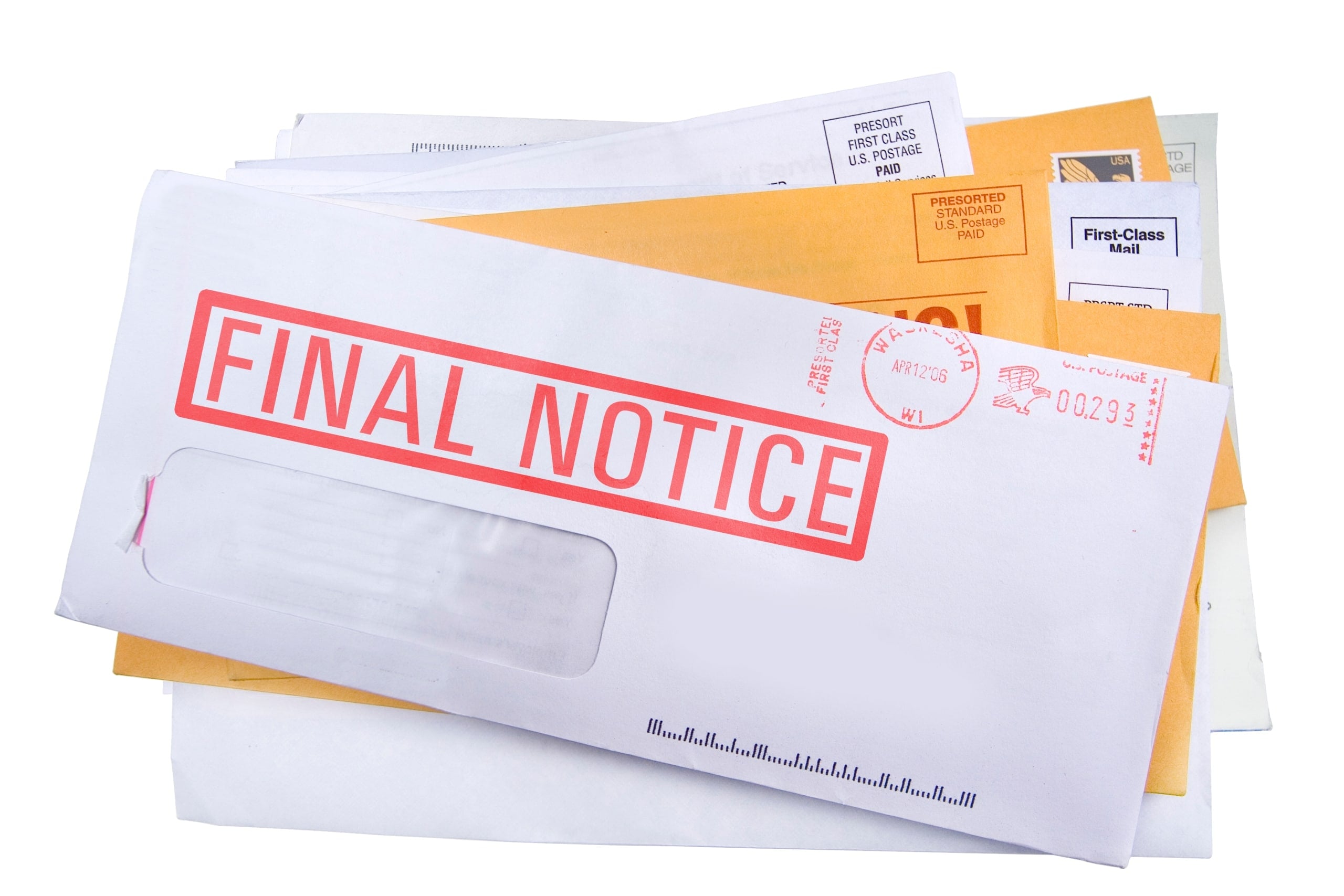
Every year, millions of Americans get contacted by someone claiming to be the IRS. Some of those contacts are real. A lot of them aren’t. And in 2026, the difference between a legitimate IRS notice and a convincing IRS tax scam has never been harder to spot.
The IRS recently released its annual Dirty Dozen list of tax scams, a collection of the twelve most dangerous fraud schemes threatening taxpayers, businesses, and tax professionals during filing season. Scammers are getting smarter, and the tactics they use are growing more sophisticated by the season.
If you’ve received any kind of IRS contact recently and something about it feels off, don’t panic, but don’t ignore it either. Here’s what you need to know.
Quick Facts: Spotting IRS Tax Scams
- The IRS will always contact you by mail first. Phone calls, texts, and emails claiming to be from the IRS are almost always tax scams.
- Threatening language, demands for immediate payment, and requests for gift cards, cryptocurrency, or wire transfers are immediate red flags.
- Real IRS notices will include your specific account information, a notice number, and instructions for how to respond or appeal.
- AI-powered voice cloning, caller ID spoofing, fraudulent social media “tax hacks,” and ghost tax preparers are among the most prevalent scams in 2026.
- If you receive a legitimate notice from the IRS or state tax authorities and feel overwhelmed, a licensed tax resolution professional can help you through.
Does the IRS Email You? Here’s How They Actually Make Contact
Before you can spot a scam, you need to understand how the real IRS operates, because scammers are counting on you not knowing.
A letter or notice is the first way the IRS will contact a taxpayer, whether they owe money, are being audited, or anything else. That’s the rule: not a phone call, not an email, not a text message. A letter.
Once written contact has been established, a follow-up phone call from an IRS agent is possible. But contact will never start through email, or ever happen at all through social media or text message.

Does the IRS call you?
Yes, sometimes, but only after a written notice has already been sent. After mailing a notice or letter, IRS agents may call to confirm an appointment or discuss items for a scheduled audit.
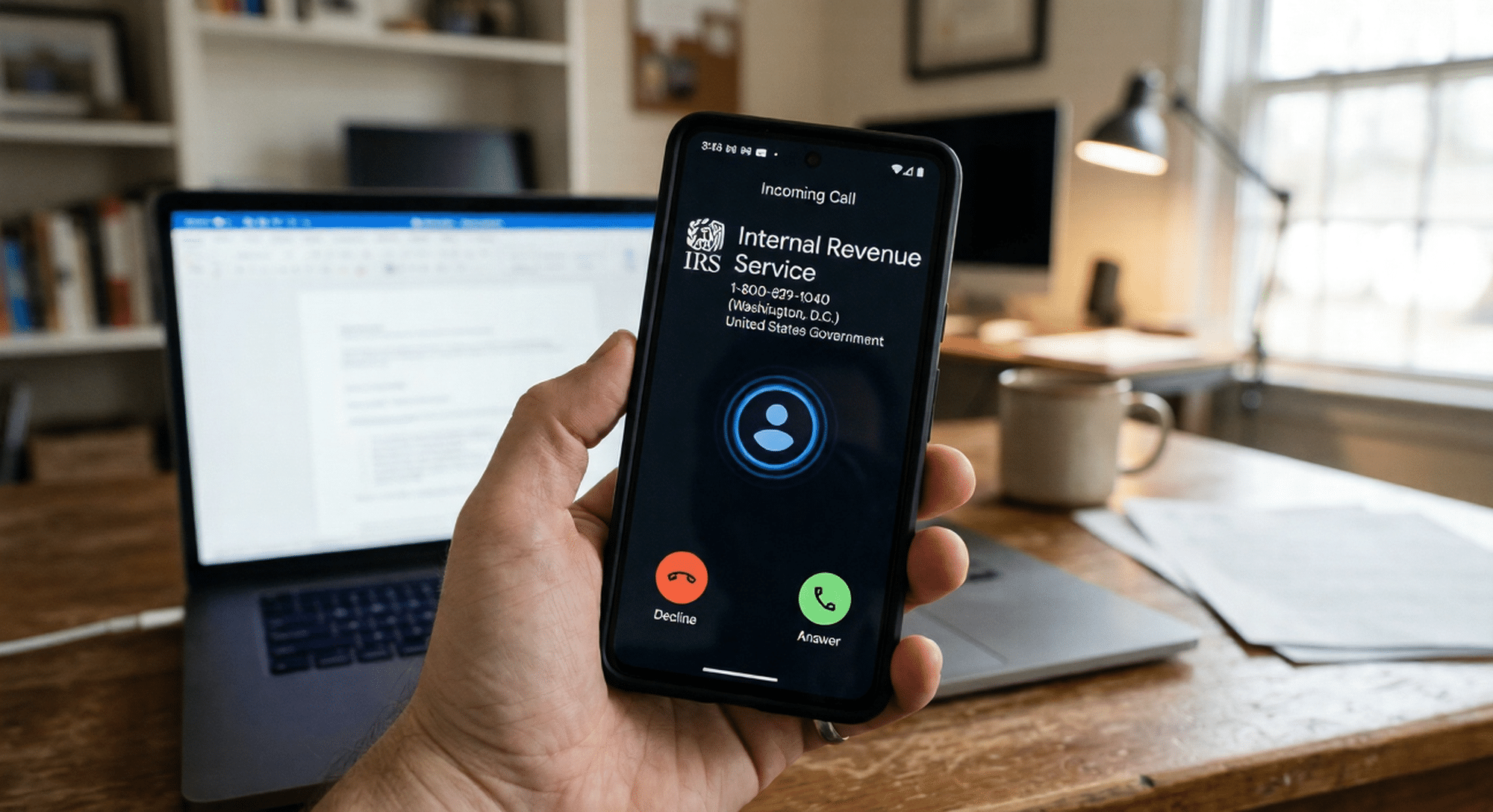
What they will not do is leave threatening pre-recorded messages, demand payment immediately, or threaten to issue a warrant for your arrest. If you haven’t received a written notice yet and a call comes in claiming to be the IRS, it almost certainly isn’t.
PRO TIP: Scammers may claim that official letters or notices were sent to you via mail on previous dates. If the person on the phone pressures you, hang up and call an official phone number to avoid falling for an IRS tax scam.
What does a real IRS letter look like?
When a real IRS notice arrives in your mailbox, here’s what distinguishes it:
- Real IRS letters will explain the next steps you need to take clearly, with reasonable deadlines—not immediate threats.
- They will include an official letter or notice number and give you an opportunity to respond or appeal before any collection action is taken.
- They will come from the official IRS office. Here in the Midwest, that should be the Cincinnati location.
- They will direct you to send payments to the United States Treasury.
Any immediate demands for money, especially if asking you to use an unconventional payment method like a prepaid debit card, gift card, wire transfer, Bitcoin, or a check to a third party, is a tax scam.
The IRS 2026 Dirty Dozen: What’s on This Year’s List
Scammers don’t take a break after filing season ends. They operate year-round, and they’re always updating their playbook. Here are all twelve schemes on this year’s radar.
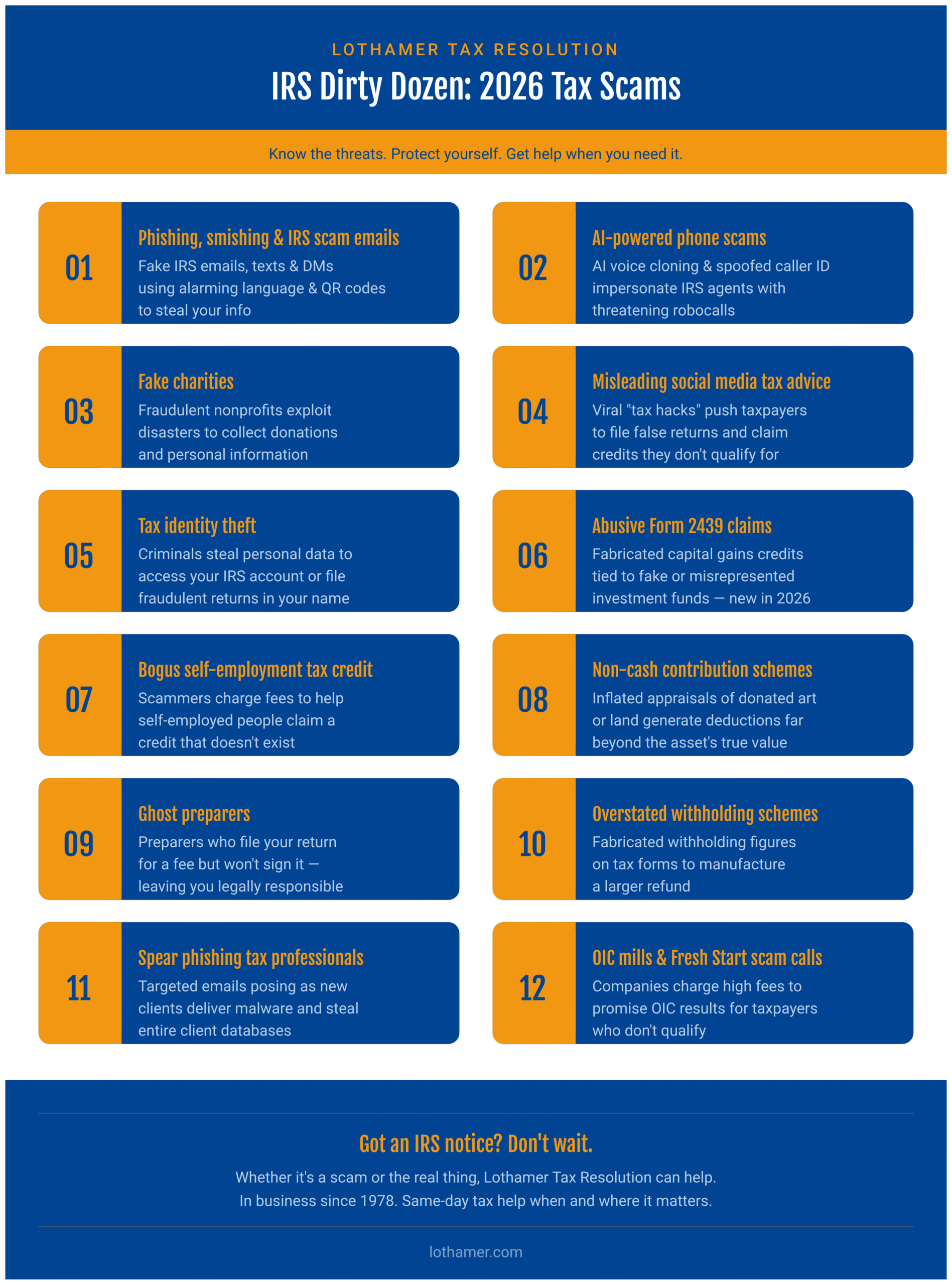
1. Phishing, Smishing, and IRS Impersonation by Email and Text
You get a text that says there’s a problem with your tax account. There’s a “verification” link to click, and it looks official: there’s an IRS logo, realistic formatting, and official-sounding language. But it isn’t.
IRS scam emails, texts, and social media DMs are among the most common fraud attempts taxpayers face. They mimic IRS communications, often using alarming language and QR codes pointing to convincing-looking fake websites. The goal is to get you to hand over personal information or login credentials.
If an unexpected message claims to be from the IRS, don’t click anything. Report it by forwarding it to [email protected] and move on.
2. AI-Powered Phone Scams
Phone scams continue to evolve, with calls now using computer-generated tactics and spoofed caller ID to appear legitimate. AI voice cloning technology can generate voices that sound shockingly human, with a calm, authoritative tone that could easily pass for a federal employee.
The IRS’s position remains unchanged: it initiates contact by mail and does not demand immediate payment by phone. If the call came first, be skeptical. Verify by going directly to IRS.gov.
3. Fake Charities
After a disaster or national tragedy, people want to help. Scammers know that and plan accordingly. Fake charities pop up quickly following high-profile events, collecting both donations and personal information from well-meaning people. Your money goes nowhere useful, and your personal information may be used for identity theft.
Before giving, verify the organization is IRS-recognized using the Tax Exempt Organization Search tool.
4. Misleading Tax Advice on Social Media
Viral posts about “tax hacks” have convinced people to file tax returns with false information or claim credits they don’t qualify for. But instead of a bigger refund, people end up with delayed refunds, or worse: audits, penalties, legal action. The IRS is actively flagging returns that reflect social media-driven misinformation, and the consequences for filing a fraudulent tax return are serious.
Viral doesn’t mean legal—so always trust a licensed tax professional, not TikTok.
5. Tax Identity Theft and IRS Online Account Fraud
Your IRS online account holds tax transcripts, payment history, notices, identity verification information, and more. Some cybercriminals use stolen personal data to break into accounts directly. But others pose as helpful third parties, offering to set up your account for you and obtaining sensitive data or installing malware in the process.
Set up your IRS account yourself at IRS.gov, and mark any unsolicited offer to help with that process as a red flag.
6. Abusive Form 2439 Claims (New for 2026)
This one is new to the Dirty Dozen this year, and it’s worth paying attention to if you have any investments in funds or real estate trusts.
Form 2439 is a legitimate IRS form that allows shareholders to claim a refundable credit for taxes already paid on undistributed capital gains. Scammers fabricate or inflate these claims, either inventing the underlying funds entirely or falsely tying them to well-known organizations. The consequences can include rejected refunds, penalties for filing a frivolous tax return, and potential criminal prosecution.
The person who coached you into it collects their fee and walks away, and you’re left explaining the fraudulent filing to the IRS.
7. Bogus “Self-Employment Tax Credit” Promotions
Here’s how this one plays out: someone, usually online, tells self-employed taxpayers they qualify for a large tax credit. They charge a fee to help you claim it. You file. Then the IRS reviews it, determines you don’t qualify, and suddenly you’re facing penalties and an audit, while the person who sold you on it has moved on to the next victim.
There is no universal self-employment tax credit available to everyone. If you’re hearing otherwise, treat it as bait.
8. Non-Cash Charitable Contribution Schemes
Donating appreciated property, like art or land, to charity can be a legitimate and generous tax strategy. So, scammers have developed schemes that involve inflating the appraised value of donated property, including artwork and syndicated conservation easements, to generate outsized deductions that far exceed what the donated asset is actually worth.
The IRS is closely reviewing claims in this area and has a strong track record of litigating these cases successfully.
9. Ghost Preparers
A ghost preparer is a person who completes your return for a fee but refuses to sign it or provide a Preparer Tax Identification Number. They often promise bigger refunds by inventing deductions. Because they don’t sign the return, you are the only one legally on the hook when the IRS discovers the errors. If your tax preparer won’t put their name on the return, walk away.
10. Overstated Withholding Schemes
This one has a simple premise: report more taxes withheld than you actually had, and manufacture a bigger refund. Scammers coach taxpayers into doing this using fabricated W-2s or inflated “other withholding” entries across a range of tax forms.
The IRS cross-checks withholding figures against third-party records. When the numbers don’t add up, the refund you were promised never arrives—but the audit does.
11. Spear Phishing Targeting Tax Professionals
Spear-phishing emails disguised as new client inquiries or document requests can deliver malware and compromise sensitive data. If you work with a tax professional, be cautious about any unusual communication you receive from their office, especially requests for financial records or login credentials.
If it falls outside the scope of usual tax information, or you’re simply unsure, call them directly to verify before responding.
12. OIC Mills and IRS Fresh Start Program Scam Calls
You’ve likely seen the ads: “Settle your tax debt for pennies on the dollar!” Sometimes these pitches reference the IRS Fresh Start program specifically, which lends them a veneer of legitimacy because the program is real. But it’s not as easy to qualify for as the companies making those promises make it sound.
The IRS Fresh Start program is a genuine initiative that expanded access to installment agreements and Offer in Compromise eligibility for qualifying taxpayers. OIC mills and scam callers exploit that name to sound credible while charging significant upfront fees, overpromising outcomes, and frequently submitting applications for people who don’t qualify. When the IRS rejects the application, you’re out the money you paid the firm and still owe the debt.
If you’re carrying real tax debt and want to know whether an OIC is actually a realistic option for you, talk to a licensed tax professional who will review your full financial picture before making any promises.
How to Verify a Legitimate IRS Notice
If you receive a notice and aren’t sure whether it’s real, slow down. You have more time than you think.
Log in to your IRS Online Account at IRS.gov to see if the notice appears in your file. You can also look up the notice number on the IRS website, where every legitimate notice type is documented. Real communications give you time to respond, provide a clear process for disputing the notice, and will never instruct you to pay by gift card, wire transfer, or cryptocurrency.
If the notice you received can’t clear those basic bars, something is wrong. Report suspicious communications to the Treasury Inspector General for Tax Administration at 800-366-4484, or forward suspicious emails to [email protected].
Is certified mail from the IRS always bad news?
Not necessarily. The IRS uses certified mail for certain notices because it requires confirmation of delivery, but receiving it doesn’t automatically mean you’re in serious trouble. It does mean the IRS wants to make sure you actually got the notice, which is worth paying attention to.
A Real Problem Requires a Real Solution
Here’s the thing about tax scams: they work precisely because real IRS problems are already so terrifying. When you owe back taxes, when you’ve gotten a threatening letter, when the phone rings and someone says the words “IRS” and “warrant” in the same sentence, your heart drops. Scammers know that. They count on it.
The best way to protect yourself is to slow down. The IRS will not send deputies to your door to arrest you on the spot. They will not demand that you pay with a prepaid debit card in the next ten minutes. If something feels wrong, it probably is.
And if the contact turns out to be real? That’s not the end of the story either. A legitimate IRS notice, even one involving significant back taxes or collections activity, is something that can be overcome. At Lothamer Tax Resolution, we’ve been helping individuals and businesses navigate exactly these kinds of situations since 1978. We know how the IRS operates, what your options are, and how to get things moving in the right direction.
DON’T FACE THE IRS ALONE. CONTACT LOTHAMER TODAY.
If you’ve received an IRS notice and aren’t sure what to do next, don’t wait. Get same-day tax help from a licensed tax professional who will actually answer the phone.
📞 (877) 955-9020
📧 [email protected]
🕗 Open 8:00 am – 5:00 pm
¡Llama ahora, hablamos español!
Related Posts


"*" indicates required fields